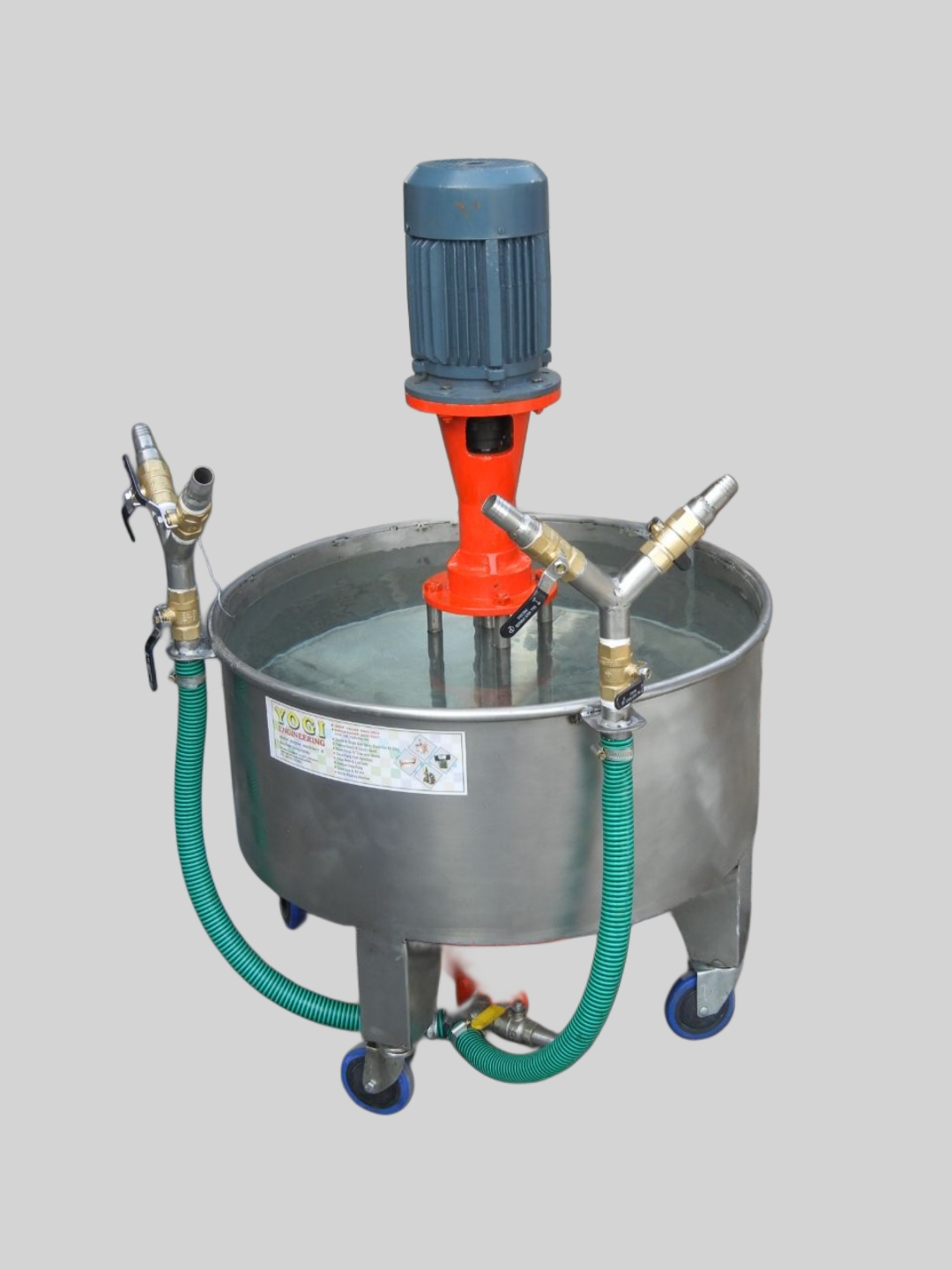
How It Works — Step-by-Step
1. Loading
Raw ceramic fuses are loaded at the entry end of the machine.
They are placed onto a conveyor system or rollers that carry them through the machine.
2. Spray Glazing Chamber
As the fuse moves through the enclosed spray chamber, high-pressure glaze
nozzles spray the ceramic glaze from four sides (top, bottom, left, and right).
This ensures full 360° coverage of the fuse body.
The glaze used is a liquid ceramic slurry.
3. Controlled Motion
The conveyor maintains a steady speed, ensuring each fuse gets uniform coating.
Motors synchronize the fuse movement and spray timing for precision.
4. Excess Glaze Collection
Excess glaze is collected in a recovery tank or tray below the spray area and can be
recycled.
5. Unloading
Glazed fuses exit from the other end of the machine and are collected manually or
sent to the drying/firing area.
This is not a machine used to fuse glass or operate at home.
It is a specialized industrial machine for producing components like ceramic
electric fuses (used in high-voltage or power systems).
Automatic Conveyor: Moves fuse bodies through the spray zone
4-Side Spraying: Nozzles apply glaze from all directions for full coverage
Glaze Recovery: Unused glaze is collected for reuse
Compact Design: Efficient and space-saving for fuse manufacturers
Consistent Output: Ensures uniform glaze thickness and surface finish